


7,500 Nautical Miles Later – Our Refit
- Mar 9
- 2 min read
Updated: Mar 14
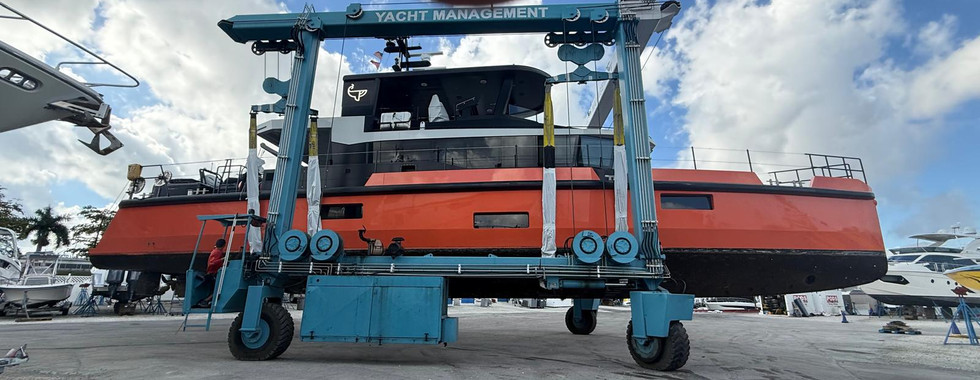
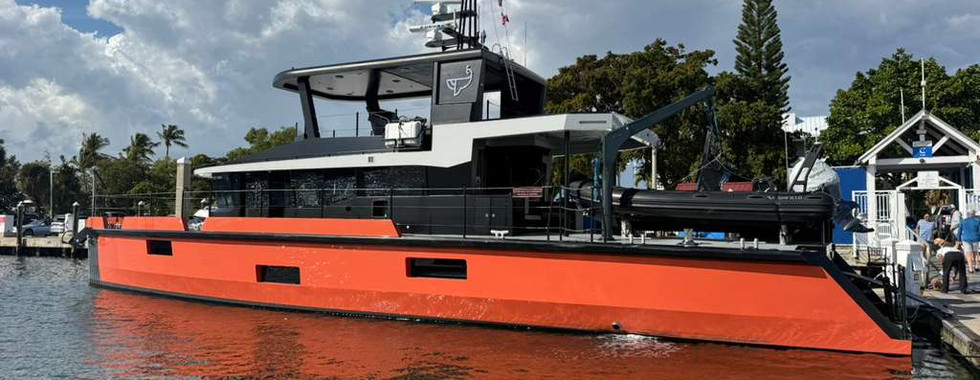
Observations from a Florida–Greenland–Florida Season | ExplorerYacht.com The 2025 season covered just over 7,500 nautical miles. From tropical Florida through the North Atlantic, into northwest Greenland, and home again. Intentional groundings in remote anchorages. Sustained hurricane conditions. Brash ice. Winds approaching 100 mph.
Distance matters less than the operating profile. Extended heavy loading exposes design truths quickly. These are not repairs in the conventional sense. They are observations followed by engineering responses.
Stabiliser Design – Sacrificial by Intent
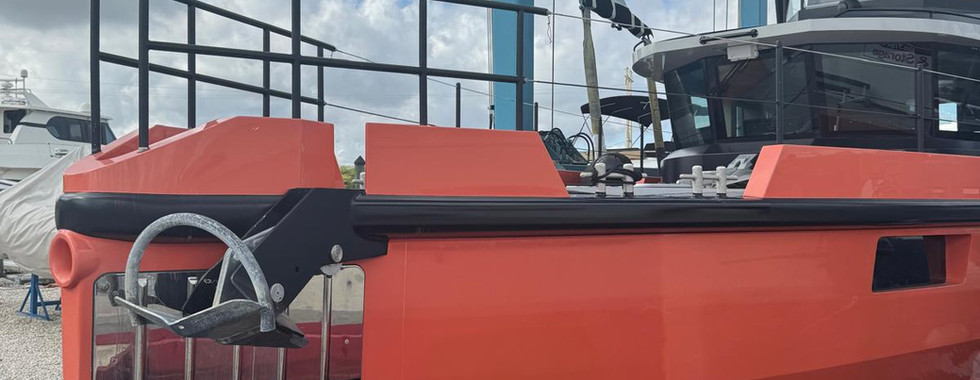
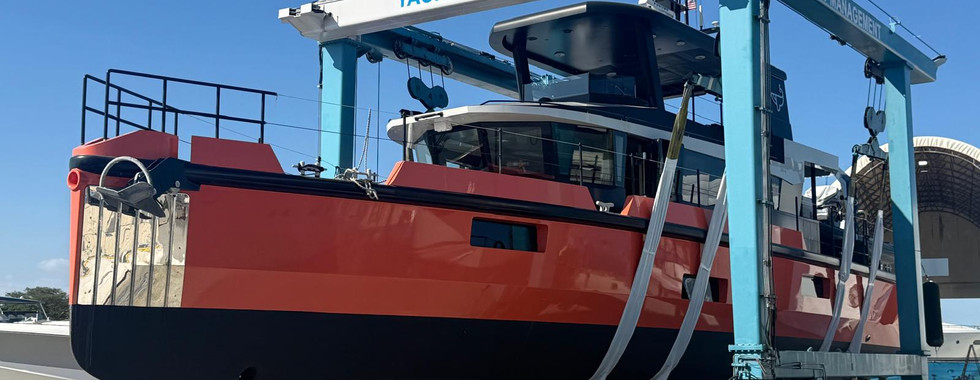
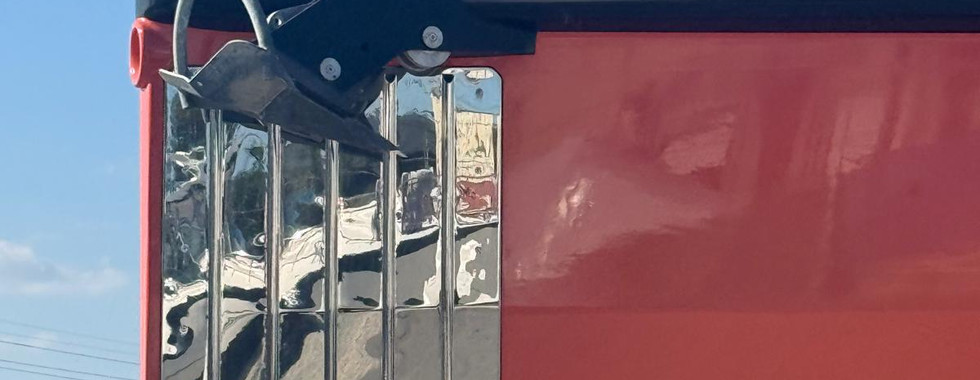
One stabiliser operating tube was missing after haul‑out in Fort Lauderdale. The Magnus Master stabiliser architecture is designed so the operating tube fails before load transfers into the hull shell. That is precisely what occurred. No hull deformation. A replaceable element absorbed the energy.







Electrical Systems and Galvanic Discipline
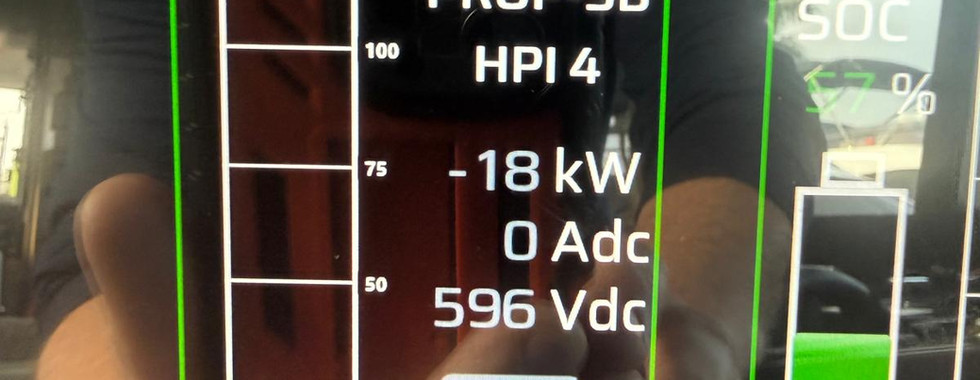
Abnormal starboard anode consumption traced to incorrect alternator wiring created a permanent path to earth. The onboard monitoring system caught it early.
Two new shaft seals were fitted with dual‑feed configuration, allowing independent water supply when operating electric drive without engine cooling water.
Lesson: continuous galvanic monitoring is not optional on aluminium vessels.




Hatch Design Under Green Water Load
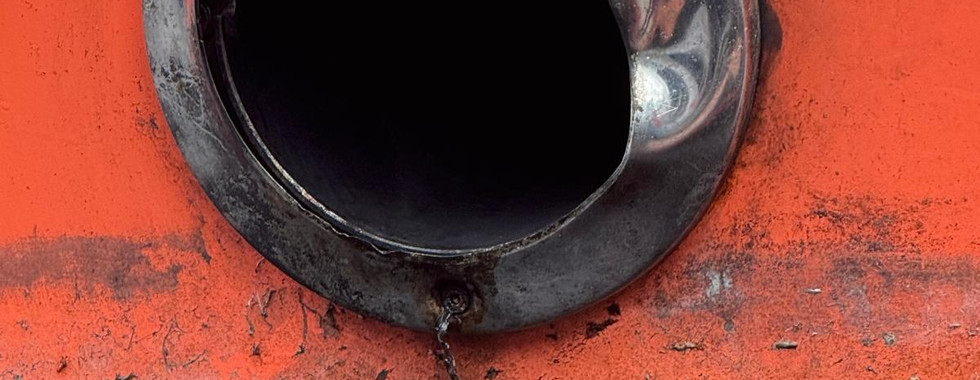
A boarding sea in the Gulf of St Lawrence overloaded the engine room hatch. Lightweight specification proved insufficient.
All hatches are now replaced with cast commercial‑grade watertight units, mounted with aviation‑grade fasteners to control galvanic interface. Expedition hardware must be specified for impact load, not convenience.
Coatings vs Ice
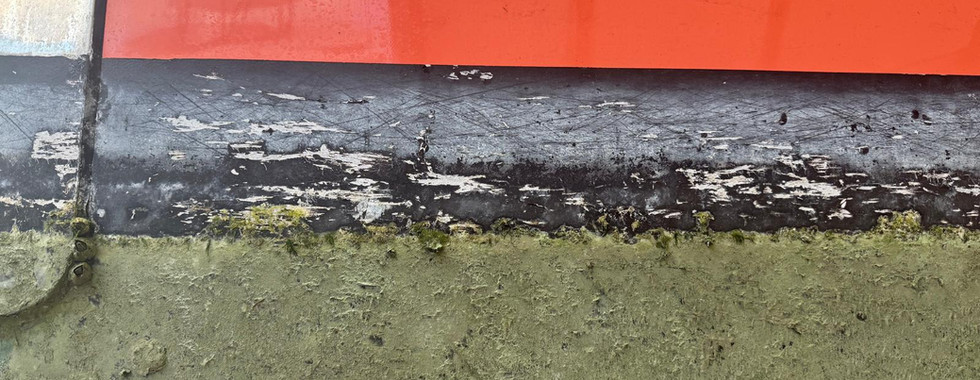
Intersleek coating performed well in the Mediterranean. Ice contact was different. The upper 500mm was heavily abraded, but the aluminium beneath showed no measurable deformation. Coatings are sacrificial. Structure is not.












Interior Systems in Real Sea States
Clip‑secured ceiling panels failed in sustained steep seas. Panels are now mechanically secured. If the hull tolerates the load, the interior must match.
Propulsion Reality vs Theory
Operational data confirms: twin engines at ~60% load deliver 8–9 knots with full electrical supply. Folding propellers showed no measurable efficiency gains. Adjustable‑pitch propellers are now specified, tuned to Vanguard’s power curve. Propulsion efficiency should be data‑driven.
Exhaust Preload Geometry
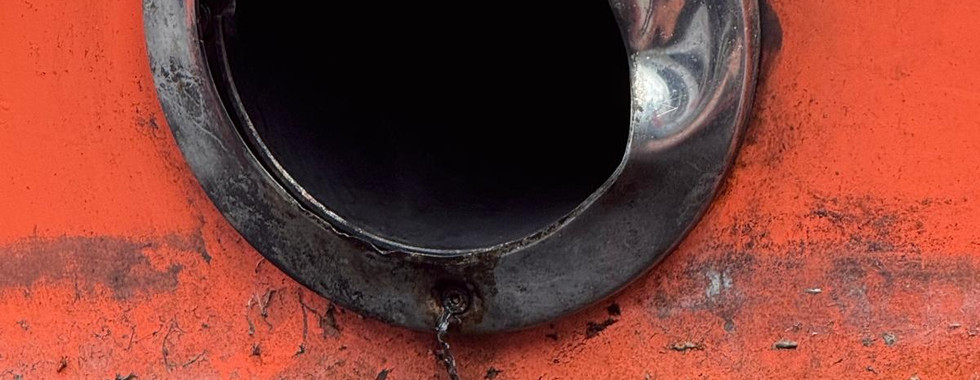
Original exhaust design lacked sufficient bolt stretch under torque, leading to minor leakage. The system is being redesigned with correct preload geometry and improved service accessibility. Overbuilding mass is not the same as engineering preload.
Structural Reflection
After 7,500 nautical miles:
No measurable hull deformation
No cracking
No plate distortion
No frame movement
Ice contact, hurricane seas, repeated heavy impacts the structural envelope remained intact. Systems required refinement. Structure did not.





A Personal Note
For years I accepted risk as a personal decision. A vessel changes that equation. When responsibility extends to crew and family, tolerance for ambiguity narrows. Assumptions must be tested. Weaknesses removed. Convenience yields to specification.
This season exposed lessons plainly. The measure is not whether those lessons appear but how you respond.
The responses are now engineered into the boat: redundancy, fastener choice, preload geometry, hardware specification, and mechanical securing where clips once sufficed.
The miles were demanding. The outcome is a vessel stress‑tested honestly and refined deliberately. That is what 7,500 nautical miles should deliver.


Comments